💡Quick Summary: Stock Trading In India For Beginners: Step By Step Guide provides essential insights for novice investors. It emphasizes starting slow, choosing a suitable strategy, balancing diversification and focus, and tracking key variables like company reports and global events.
Introduction
Let me start with a small story, a real one, about my friend Navneet,
Navneet, aged 26, was working with a auto-ancillary MNC based out of Noida, India.
Eager to venture into the world of stock trading, Navneet began investing based on hot tips he received from various sources like SMS, Telegram channels, and friends.
Ignoring the need for proper analysis and learning, he even took a personal loan to heavily invest in stocks.
Unfortunately, as usual, Navneet’s lack of preparation and knowledge led to significant losses in his investments.
This is an perfect example for people who want to plunge into stock market trading without doing proper research, market trends analysis, looking into risk management strategies, and financial analysis.
Just to ensure that this do not happen with you, I am putting down a brief guide to help learning nitty-gritty of stock trading.
Learning the basics of how to trade stocks
Investing in primary market
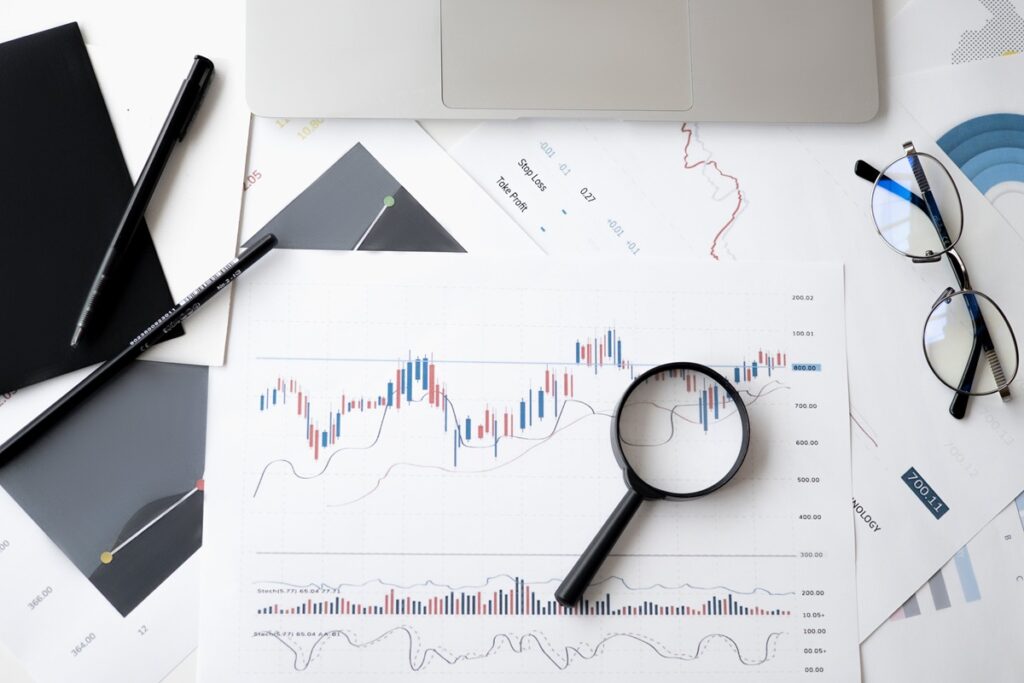
After raising funds from FFF ( friend, family & fools), and to give boost to further growth, companies needs more capital infusion. For this, they head toward the primary stock market.
Primary market is a place where securities are sold to the public for the first time, allowing companies to raise fresh capital (for the first time) from investors through initial public offers (IPOs).
Some of the famous IPOs (in recent past) in Indian market were: Tata technologies, PayTM, Zomato, Nykaa, etc
The primary market is crucial for companies to access funds from the public capital market, enabling them to finance growth and expansion. Notably, when a large number of IPOs are issued, it signifies a healthy stock market and economy.
Investing in secondary market
As we have seen that when companies want to raise fund for the first time from stock market, it tend to go to primary market.
However, once the share is listed in the primary market, post IPO, these share exchange hands. Means investors can buy & sell shares opening based on order matching mechanism of a stock market.
This market where this transaction (post IPO) takes place (notional) is called secondary market.
Broadly, investor takes two route for investing.
One set of investors prefer to invest for long term. This term may vary from 2-10 years. In some cases investor hold shares for even longer term.
However, on the other hand, there is good chunk of investor who prefer to buy and sell shares every day. This is called intraday trading.
And investor doing this type of transactions are called day-traders.
🚀 Also Read: Importance of Personal Finance Planning
Pros & Cons of day trading

Pros of day trading
- Potential for High Returns
- Opportunity for Quick Profits
- No Overnight Exposure to Market Risks
- Ability to Capitalize on Short-Term Market Volatility
- Flexibility to Adapt to Changing Market Conditions
- Opportunity to Develop and Refine Trading Strategies
- Offers Potential for Independence and Freedom
- Can Serve as a Source of Income or Supplementary Income

Cons day trading
- High Risk of Loss
- Emotional Stress and Pressure
- Requires Significant Time and Attention
- High Transaction Costs (Commissions, Fees)
- Limited Opportunities for Long-Term Growth
- Dependency on Market Conditions for Success
- Requires Continuous Learning and Adaptation
- Possibility of Addiction to Trading Activity
- Limited Investor Protection Compared to Long-Term Investing
- May Lead to Overtrading and Impulsive Decision Making
The process of stock trading for beginners

So far we have seen a bit about the primary and secondary market.
Lets now understand the process of stock market trading for beginners.
Open a demat account
Once you are equipped with the basic knowledge about the stock market and trading, you can take plunge and open a demat account at at your favorite online broker platform like Groww, Zerodha, 5paisa, FYERS, Choice broking, etc.
Even most banks offer trading platforms for your convenience. HDFC Sky is one of the best offering which may consider.
With the advent of cutting edge technologies, it is very easy now a days to open demat account.
Difference between demat and trading account
You know, both demat account and trading account is required to do trading/ investing at stock market.
Some of us do not know the difference between demat and trading account. So, let me put the difference in a grid format for your easy understanding.
| Demat Account | Trading Account |
|---|---|
| Holds securities in electronic or dematerialized form | Facilitates buying and selling of securities |
| Acts as a digital repository for stocks and other financial instruments | Executes trades in the stock market |
| Converts physical share certificates into electronic format | Provides access to various financial markets and exchanges |
| Allows investors to hold and track their investment portfolio | Requires a broker or brokerage firm to place orders |
| Enables seamless and secure transfer of securities | Allows for real-time monitoring of market movements |
| Reduces paperwork and eliminates the risk of physical loss or damage to shares | Provides access to trading platforms and tools for analysis |
| Provides investors with a single platform to manage their investments | May offer additional services such as research and advisory |
| Charges maintenance fees for holding securities | May charge brokerage fees or commissions for trades |
| Regulated by regulatory bodies such as SEBI in India | Regulated by regulatory bodies and exchanges |
Documents required to open a demat account
Documents required to open a demat account are as under:
- PAN Card
- Aadhaar Card
- Cancelled Cheque
- Residence Proof
- Passport size photos
- Bank Statement
Understand stock quotes/ price
In the world of business/ economics, price is determined by demand and supply.
Whereas in investing, other factors such as companies PAT, EBITA, ROI, ROA, etc are also important in deterring the stock quotes/ price.
So, investors should read the company reports in detail before investing in it.
Understand Bids and asks
In the dynamic world of the stock market, bid and ask prices play a pivotal role in facilitating transactions.
The bid price signifies the maximum amount a buyer is willing to pay for a security, while the ask price denotes the minimum amount a seller is willing to accept.
This bid-ask spread, the variance between these prices, serves as a barometer of liquidity – a narrower spread typically indicates higher liquidity levels, enhancing ease of trading.
For instance, XYZ Ltd.’s stock with a quoted price of ₹100 / ₹102.
Here, a prospective buyer would pay ₹102 per share (ask price), while a seller would receive ₹100 per share (bid price).
Market makers leverage bid-ask spreads to set prices and capitalize on the price differential.
When bid and ask prices converge, it signals robust liquidity in the security, streamlining investor transactions.
In essence, bid and ask prices are instrumental in price discovery within the stock market, with bids reflecting demand and asks representing supply dynamics.
The spread’s magnitude mirrors the security’s liquidity status, shaping investor decisions and trading outcomes.
🚀 Also Read: Why Creating Passive Income is Essential for Your Retirement Plan?
Do fundamental and technical knowledge of stock
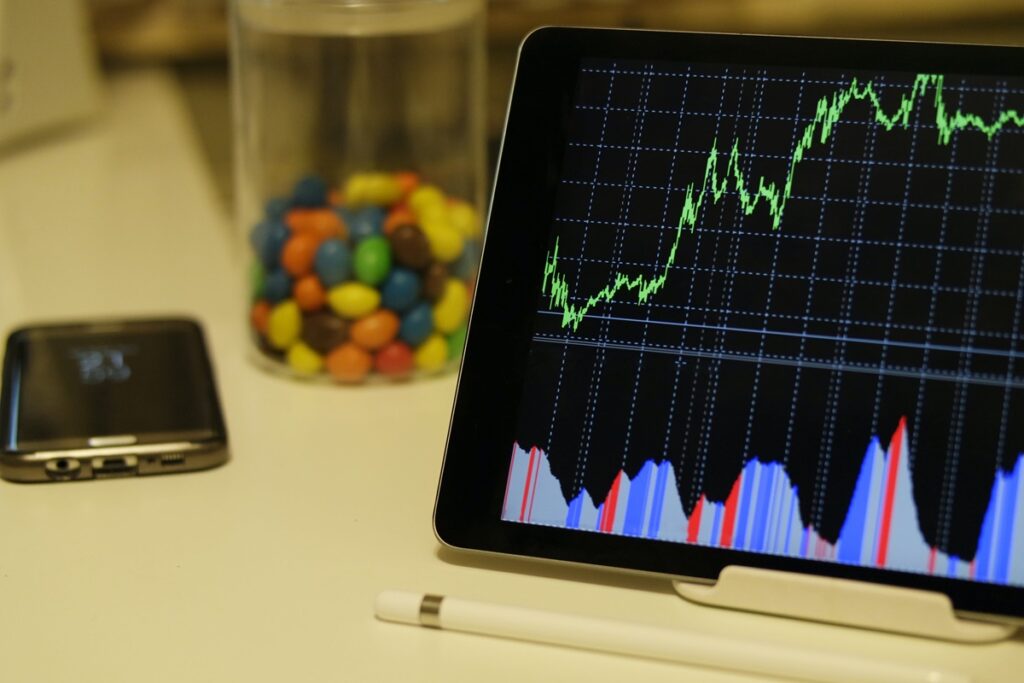
Understanding the Indian stock market requires a two-pronged approach: fundamentals and technical analysis.
Fundamental analysis focuses on a company’s financial health, like profits, debt, and management.
Researching annual reports of companies like TCS or Reliance Industries can reveal their growth potential and long-term viability.
Technical analysis, on the other hand, studies historical stock price movements and chart patterns to predict future trends.
Many beginners in India use tools to analyze charts of companies like Maruti Suzuki or HDFC Bank, identifying potential entry and exit points for short-term trades.
By combining these approaches, you gain a more comprehensive view of a company’s health and its position within the Indian market.
Learn to stop the loss
Stop loss: This is one the most important strategy for both investors and day trader. In fact, for day traders, it is non-negotiable.
The Indian stock market offers immense potential, but so does the risk of losing capital. New investors often get caught up in the excitement, neglecting a crucial skill: managing losses.
Here’s where stop-loss orders come in.
These handy tools automatically sell your shares when they reach a pre-determined price, preventing further losses if the market takes a downturn.
Imagine you buy shares of a hot new electric scooter company (think Ather or Ola Electric) at ₹100. Y
ou can set a stop-loss order at ₹85. If the stock price dips below ₹85, the order triggers, selling your shares and limiting your potential loss.
Stop-loss orders are a valuable tool for Indian investors of all experience levels, helping navigate the ever-dynamic market.
🚀 Also Read: Fixed Asset Coverage Ratio: Definition, Calculation & Example
Take help of an expert
India’s stock market is exciting, with lots of companies to choose from. But just like trying to navigate a busy Indian bazaar for the first time, it can be confusing for new investors. That’s where a financial advisor comes in – they’re your guide!
A SEBI-registered advisor understands your situation. They consider your goals, how much risk you’re comfortable with, and what kind of investments might be a good fit for you. Maybe you’re interested in big companies like HDFC Bank or something newer like a food delivery app. They can help you decide!
Financial advisors have the knowledge to explain the market and its ups and downs.
With their help, you can make informed choices to grow your money safely. Think of them as your partner in this investment adventure!
Start with safer stocks
Starting with safer stocks is a smart move when you begin investing.
Safer stocks come from well-established companies that have a good track record and are stable.
In India, examples of safer stocks are big companies like HDFC Bank, ITC, L&T, Marico, Infosys, RIL, Hindustan Unilever Limited (HUL), etc.
These companies have shown they can handle ups and downs in the market. Investing in safer stocks first helps reduce risks, gives you confidence, and sets you up for long-term success in the stock market. It’s like building a strong foundation for your investments before exploring riskier options.
💡 DO YOU KNOW?
As on Jan 2024, total market cap of India Stock market is approx $ 4.5 trillion, which is around 120% of India’s GDP!
🚀 Also Read: Difference Between Public Finance and Private Finance
Benefits of Online Trading
Gone are the days of calling your broker! Online trading platforms have revolutionized the way Indians invest in the stock market. Here’s why:
- Convenience at your Fingertips: Buy or sell shares with just a few clicks on your phone or computer, anytime the market is open. No need to rush to a broker’s office!
- 24/7 Market Access: Keep an eye on stock prices and make informed decisions even outside of regular trading hours.
- Lower Costs: Online brokers often have lower fees compared to traditional brokers, saving you money on your trades.
- Research at Your Fingertips: Many online platforms offer built-in research tools and news feeds, empowering you to make smart investment decisions.
Online trading makes investing in the Indian stock market more accessible and affordable, letting you manage your portfolio from anywhere.
🚀 Also Read: Robert Kiyosaki Financial Education | Building Wealth
Conclusion
So, there you have it! Don’t let Navneet’s story (mentioned at the start of this article) be yours.
The stock market can be an exciting place, but it’s important to be prepared.
Grab this guide, learn the ropes, and invest with confidence!
Remember, knowledge is your best friend in the world of stocks.
Now, go forth and conquer the world of stock trading!
🚀 Also Read: Best Banks For Salary Account In India || Benefits
FAQs
Can I invest 100 Rs in trading?
You can definitely start trading with ₹100! While it won’t buy a whole lot, it’s a great way to learn the ropes.
Think of it like a practice round. Just be sure to research and choose a platform with low fees so your ₹100 goes as far as possible. Good luck!
How to earn 1,000 rupees per day from trading?
Earning 1,000 rupees per day from trading may seem enticing, but it’s important to approach it realistically.
Making consistent daily profits in the stock market is challenging due to market volatility and unpredictability.
To achieve this, focus on strict money management, sufficient capital, and keen awareness of market trends. Intraday trading, futures & options, and swing trading are common strategies.
Remember, trading involves risks, losses are part of the process, and consistent daily income is unlikely. Start small, manage expectations, and aim for steady growth rather than daily gains.
Is intraday trading profitable?
Intraday trading can be profitable, but it requires thorough research, hard work, and guidance from experts.
It involves making small profits through multiple trades within a day, rather than aiming for huge gains in one go. To succeed, traders should manage risk effectively, use stop-loss orders, and maintain discipline.
While intraday trading offers opportunities for quick earnings, it also demands continuous monitoring, skill in analysis, and adherence to trading strategies.
Remember, success in intraday trading hinges on knowledge, discipline, and the ability to manage risks wisely. Happy trading!
How much risky is intraday trading?
Yes, offcourse. Intraday trading can be quite risky for beginners because it is pretty fast-paced in nature and has the potential for sudden gains or losses.
Since trades are opened and closed within the same day, the market volatility can lead to unexpected outcomes.
Doing stock trading requires a lot of understanding of market trends, technical analysis, and risk management. While stock trading offers the possibility of high returns, it also carries very high risk compared to a conventional long-term investing.
So, it is important to start small, learn gradually, and be cautious when venturing into intraday trading.